

Key Takeaways
- Knowing the signs that home care is no longer enough can help you act sooner rather than later.
- Memory care goes far beyond basic support. It’s personalized, structured, and socially rich.
- Thoughtful preparation makes moving day smoother for everyone involved.
- Settling in takes time, usually 30 to 90 days, and that’s completely normal.
- Your role shifts from full-time caregiver to loving, present family member.
What Every Family Faces at This Crossroads
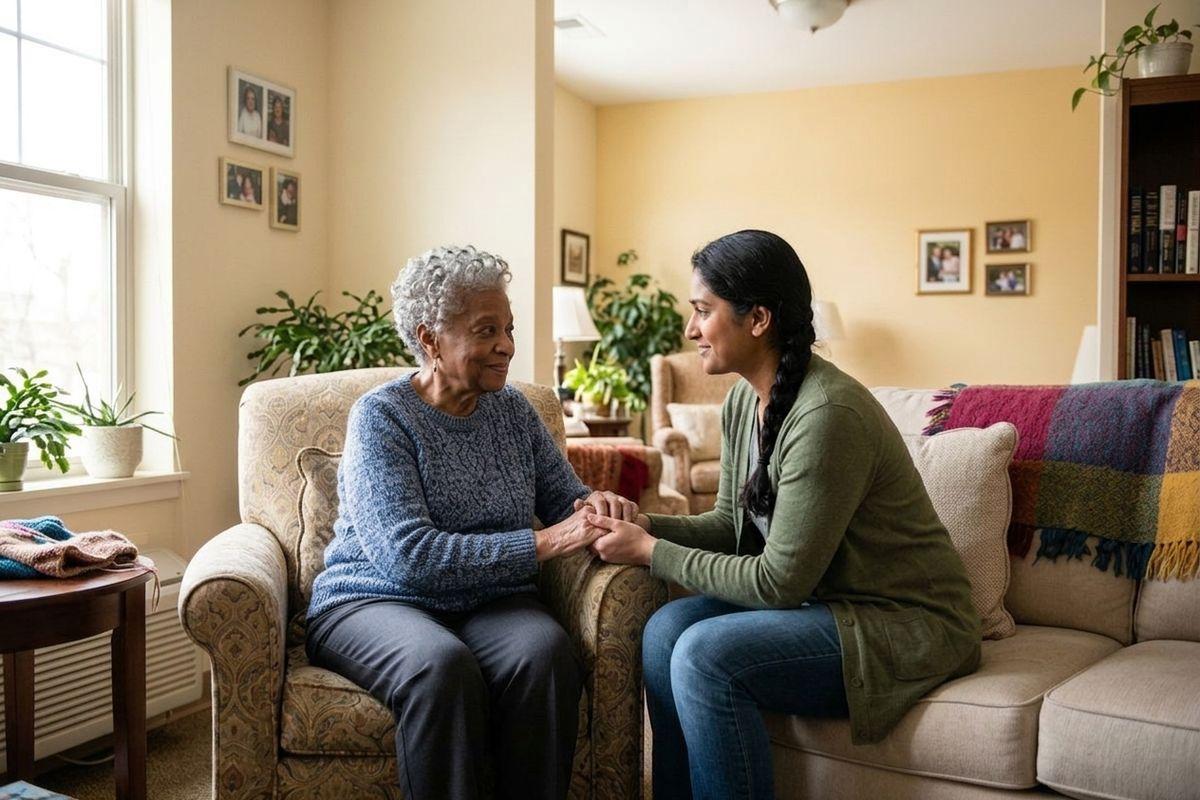
Deciding to explore memory care for someone you love is one of the most emotionally layered decisions a family can make. You might be running on little sleep, juggling your own life, and still wondering if you’re doing the right thing. That tension is real, and you’re not alone in feeling it.
Memory care transitions go more smoothly when families know what to expect before, during, and after the move. From spotting the early signs to settling into a new rhythm, having a clear picture makes every step feel a little less overwhelming. Understanding what memory care is and who it’s for is a great place to start that journey.
Signs It Might Be Time for Memory Care
Some signals are easy to overlook at first. A missed pill here, a skipped meal there. But when those moments start stacking up, confusion about routines, wandering at night, or a fall that left everyone shaken, it’s worth paying closer attention. Safety concerns that pop up regularly at home are often the clearest sign that more structured support is needed.
Caregiver exhaustion is just as telling. When the people providing care are running on empty, the quality of that care quietly starts to slip. That’s not a failure. It’s a signal that a different kind of support is needed, for both of you.
When Home Care Is No Longer Enough
Missed medications and forgotten meals might seem minor, but over time they add up to real risk. Increasing agitation or sudden behavioral shifts can also be hard to manage in a home setting without specialized support. These changes aren’t a reflection of your loved one’s character. They’re part of the condition, and they deserve a thoughtful response.
When the needs outpace what family and part-time home care can realistically provide, memory care becomes not a last resort, but a genuinely supportive next step. If you’re unsure where you stand, learning more about what dementia involves can help you recognize when that moment arrives.
What Memory Care Actually Looks Like
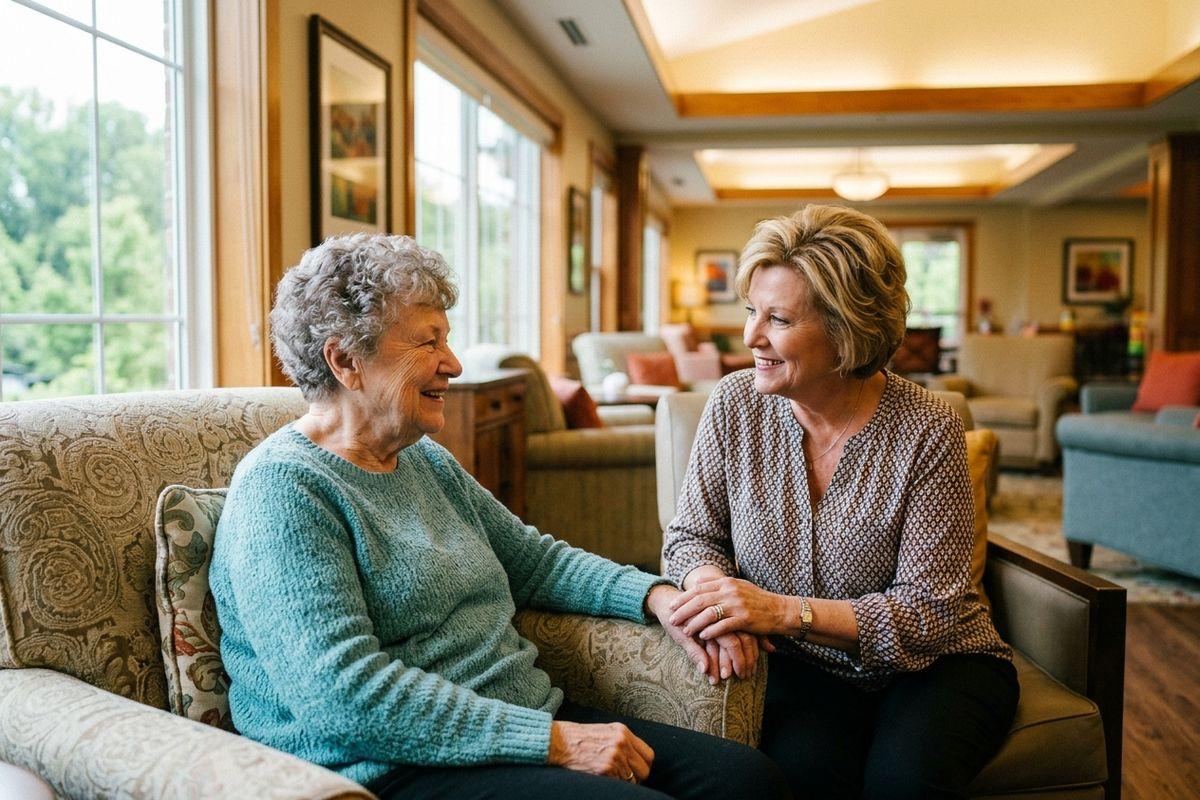
Forget the clinical, sterile image that might come to mind. Memory care today looks like warm common spaces filled with natural light, familiar scents from a shared kitchen, and a daily rhythm that feels grounding rather than rigid. It’s designed to reduce confusion while opening space for connection and joy.
Personalized care is at the heart of it. Rather than a standard checklist, each person’s preferences, history, and personality shape their day. Structured activities, social time, and calm, secure spaces work together to support a real quality of life, not just a schedule.
How It Differs from Assisted Living
Assisted living offers support with daily tasks, but memory care goes a layer deeper. The team is specifically trained for memory-related needs. They understand how to communicate, how to redirect, and how to meet someone exactly where they are that day. Every interaction is shaped by who that person is, not just what they need.
That deeper personalization makes a real difference. When a care team knows your loved one’s favorite music, their morning habits, and the stories that make them smile, every day feels more like home. The emotional and social advantages of memory care communities go well beyond what most families expect.
How to Prepare for Moving Day
The smoother you can make the logistics beforehand, the more presence you’ll have on the actual day. Handle paperwork, medical records, and financial details well in advance so moving day stays focused on people, not paperwork. Bring the things that feel like home, a favorite blanket, framed photos, a well-loved chair with the soft armrests they always reach for.
One of the most meaningful things you can do is put together a life story document for the care team. Favorite songs, career highlights, beloved family memories, funny quirks. These details help the team connect in ways that go far beyond a chart.
What to Expect on Arrival
A good care team doesn’t wait for your loved one to settle in on their own. They lean in with warmth and intention from the very first hello. Expect staff to actively engage, introduce themselves, and help create a sense of welcome right away.
Tears, resistance, or quiet withdrawal on that first day are all completely normal reactions. So is laughter or surprising ease. Whatever comes up, know that the team has walked through this before and is there to support the whole family.
Moving Forward with Peace of Mind
Settling in can take anywhere from 30 to 90 days, so be patient with the process and with yourself. Short, frequent visits early on tend to work better than long ones. Keeping familiar routines, like sharing a meal together or visiting at the same time each week, helps build a new normal that feels steady.
Your role shifts here, from full-time caregiver to loving visitor and family advocate. Stay in close touch with the care team, celebrate small moments of connection, and lean on the support around you. Poet’s Walk San Antonio, this transition isn’t an ending. It’s the opening of a new, well-supported chapter for your whole family. Reach out to the team whenever you’re ready to take the next step.