

Key Takeaways
- The environment around you can support comfort, orientation, and independence.
- Light, color contrast, and simple layouts can make spaces easier to navigate.
- Gardens, courtyards, and outdoor spaces create opportunities for fresh air and connection with nature.
- Shared meals, gathering spaces, and familiar routines can support connection and belonging.
- Personal touches and thoughtful memory care can help create meaningful, comfortable days.
How Environment Shapes Daily Life
You walk into a space and you know almost instantly how it feels. For someone living with Alzheimer’s or another neurocognitive condition, these details can influence how comfortable they feel throughout the day.
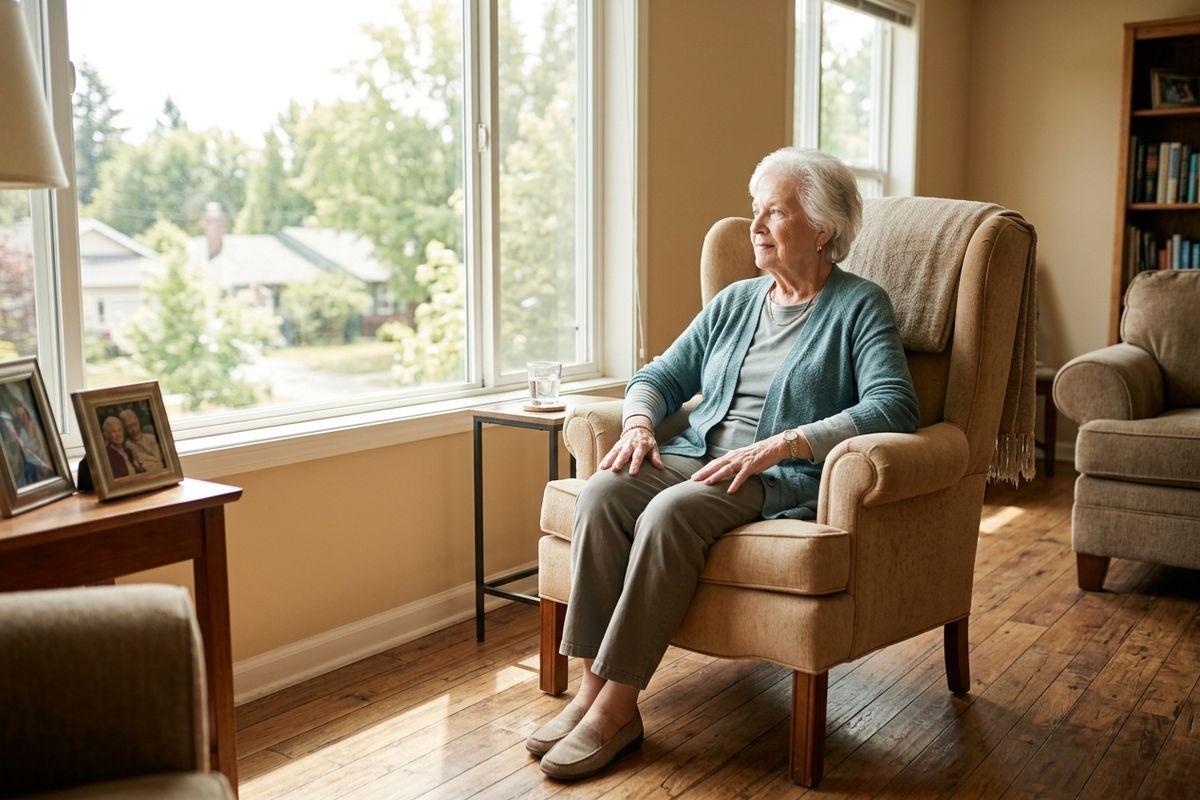
The environment plays an important role in dementia care. The design, sound, light, and social layout of a space can support comfort, orientation, and day-to-day independence. A calm setting can help create a more comfortable environment. Familiar cues, like a favorite chair by a sunny window or a clearly marked path to the dining area, can make it easier to move through the day with less guesswork.
Design Features That Support Memory Care
Light, Color, & Contrast
Soft, plentiful light can make everyday spaces easier to see and navigate. It makes faces easier to recognize, steps easier to see, and spaces easier to distinguish. Big windows and layered lamps can provide more even lighting than a single harsh overhead fixture.
Color contrast helps too. A dark handrail against a pale wall stands out. A plate that contrasts with the tablecloth can make food easier to see. These small choices can help distinguish one space from another without relying on verbal directions.
Layout & Wayfinding
Simple pathways can make it easier to get around. When hallways are easy to follow, and signage uses clear words and pictures, finding your way becomes something you just do rather than something you have to solve.
Wide hallways leave space to walk beside someone instead of behind them. Handrails offer a steady grip. Non-slip flooring can help reduce the risk of slips and falls, making it easier to move safely from one space to another.
Nature & Outdoor Access
Fresh air and time outdoors can be part of everyday life, not just special occasions. Courtyards, gardens, and secure walking paths let you step outside and spend time in nature. In San Antonio, that might mean a shaded bench in the early morning or spending time gardening in the afternoon.
Indoors, plants and open views can maintain that connection with the outdoors. Watching the light shift across a garden through the window can add a natural rhythm to the day.
How Social Spaces Support Connection
A building is only half the story. The other half is the people and opportunities for connection within it. Human contact, real conversation, and shared meals turn a well-designed space into a place for connection and belonging.
Dining areas make a difference here. Tables sized for conversation, unhurried mealtimes, and a familiar face across from you can turn lunch into an opportunity to connect. Gathering spots invite people to linger and spend time together.
Casual gathering spaces can do something similar for families. When your daughter stops by, you can sit down with a cup together instead of visiting in a hallway. That casual setting can make family visits feel more relaxed and natural.
Ways Familiarity & Routine Add Comfort

Personal Touches in Living Spaces
A wedding photo on the dresser. The quilt your mother made. A shelf of paperbacks you’ve read twice. Personal belongings can help an unfamiliar space feel more personal and give visitors something to talk about the moment they walk in.
Predictable Rhythms
A consistent daily schedule can provide familiarity and reduce the need to wonder what comes next. When breakfast, walks, and gatherings land around the same time each day, the rhythm becomes familiar.
Music, art, and reminiscence gatherings fit naturally into that rhythm. A familiar song can spark a memory, start a conversation, or simply bring a sense of familiarity to the day. Those moments happen more often when the structure of the day leaves space for them.
Sensory Comfort
Gentle sounds, pleasant scents, and soft textures shape how a space feels before you’ve thought about it. Bread baking, a sweater that feels good on your arms, or a quieter evening instead of constant background noise can all contribute to a comfortable environment. Comfort adds up in small, physical ways.
How Memory Care Supports
Thoughtful spaces can support comfort, connection, and meaningful moments throughout the day. From natural light and familiar belongings to places for meals and conversation, the environment is part of the memory care experience.
At Poet’s Walk San Antonio, people-centered memory care is designed around the person, not the diagnosis. From our Connections program to brain-healthy dining, each part of daily life is thoughtfully shaped to support meaningful experiences, familiar routines, and opportunities for connection.
Book a tour today to see how memory care can support your loved one.